
Investing · 6 min read · October 16, 2026
Getting Started With an ADU in California: The 2026 Rules
California's ADU laws now allow 850-1,200 square foot accessory units with modest setbacks and no owner-occupancy requirement. Here is what to know before you build, rent, or buy.

Angie Weeks
AI & Tech Friendly Broker Associate · DRE #01398537
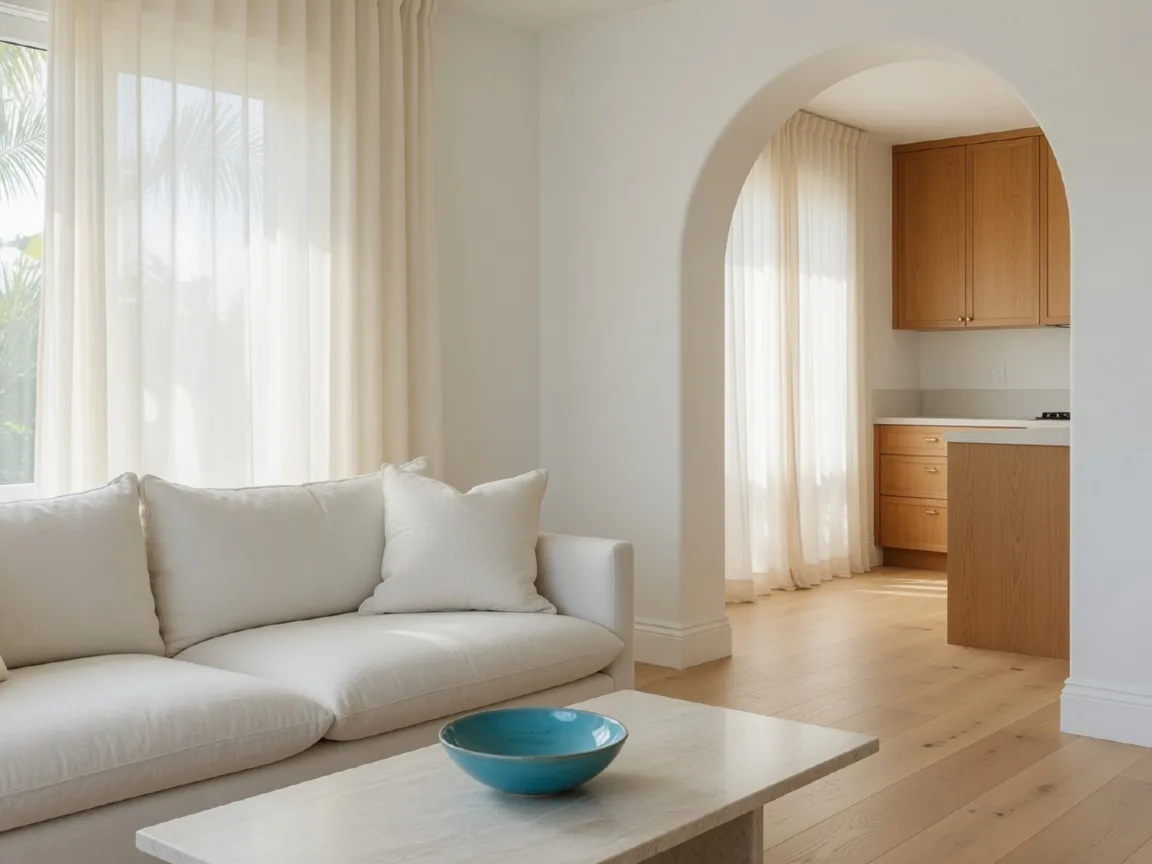
An accessory dwelling unit (ADU) can add a rental income stream, a multigenerational suite, or a home office to an Orange County property, and California has spent the last several years deliberately making them easier to build. If you own a home with a big backyard or an underused garage, the ADU conversation should be on your list.
How big and where can you build?
Under California law, a city cannot set a maximum smaller than 850 square feet for a studio or one-bedroom ADU, or 1,000 square feet for an ADU with two or more bedrooms. In cities without their own ordinance, state law allows up to 1,200 square feet for a detached unit and 50% of the primary dwelling's floor area for an attached one. For new construction, a city may require at most 4-foot side and rear setbacks, and an 800-square-foot unit with 4-foot setbacks is always allowed.
Converting a garage or existing structure
ADUs converted from an existing structure, such as a garage, are generally exempt from new setback requirements when built in the same location and dimensions. That means many Southern California homes with detached garages already contain the shell of a legal ADU. This is the most cost-effective path and the first thing Angie checks on any backyard.
You no longer have to live on the property
Since January 1, 2024, California permanently eliminated owner-occupancy requirements for ADUs (Assembly Bill 976). A city cannot require you to live in the main home or the unit, and both can be rented on terms of 30 days or longer. For investors, a house plus ADU is effectively a small duplex income property on a single-family lot.
The investor math
In Orange County markets, a well-built ADU can add meaningful rental income while the primary home keeps appreciating. But the numbers only work with realistic construction costs, city utility and parking requirements, and a property tax reassessment conversation. Angie works alongside architects, contractors, and her preferred vendors to model the ADU before you pour a single yard of concrete.
Sustainable living, extra income, a place for your parents or your adult kids. The right ADU check-boxes a lot of life goals at once.